Temperature Control Is Shaping the Future of Sustainable Agriculture
As climate challenges and energy efficiency become global priorities, temperature control is emerging as one of the most influential factors in sustainable systems. From smart greenhouses to controlled-environment agriculture, maintaining stable indoor temperature and humidity is no longer just about plant growth—it is about resource efficiency, environmental impact, and long-term sustainability.
Why Temperature and Humidity Matter in Plant Growth
Plants respond directly to their surrounding environment. Small variations in temperature or humidity can affect photosynthesis, nutrient absorption, and overall crop health.
In optimized conditions, crops grow more consistently and with reduced stress. In contrast, unstable environments increase disease risk, reduce yield quality, and waste energy. This is why indoor temperature and humidity control for plants has become a foundational element of modern agriculture.
Greenhouse Climate Control and Environmental Responsibility
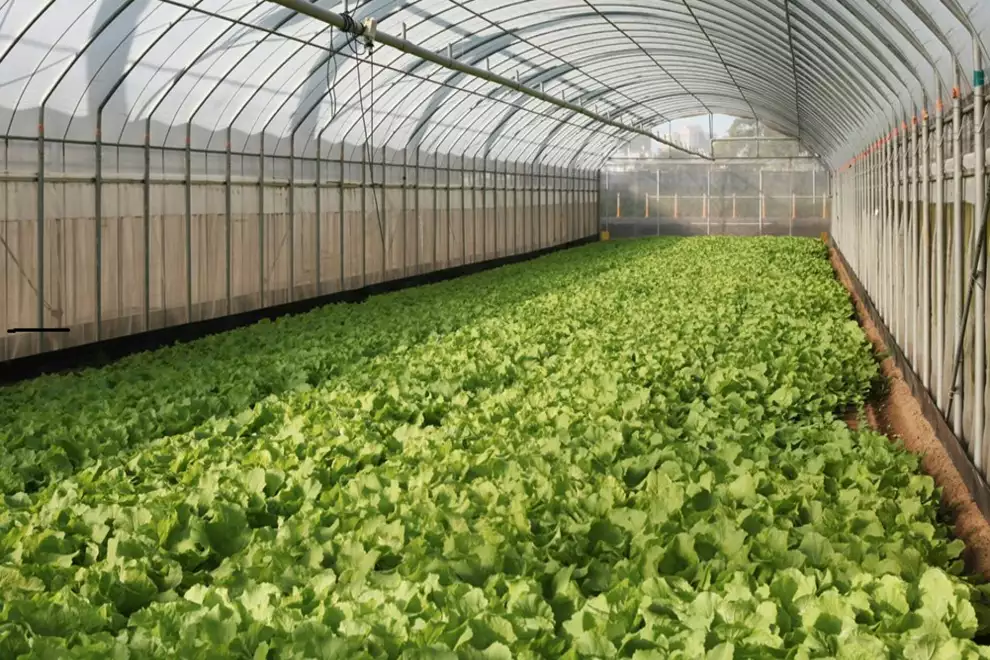
Modern greenhouse systems are designed to balance productivity with environmental responsibility. Instead of relying solely on heating or cooling, today’s greenhouses use integrated climate control strategies, including:
Continuous environmental monitoring
Automated response systems
Controlled air circulation to maintain uniform conditions
Effective greenhouse climate control reduces energy waste while maintaining stable growing environments, supporting both ecological and economic goals.
Indoor Temperature Management in Controlled Agricultural Spaces
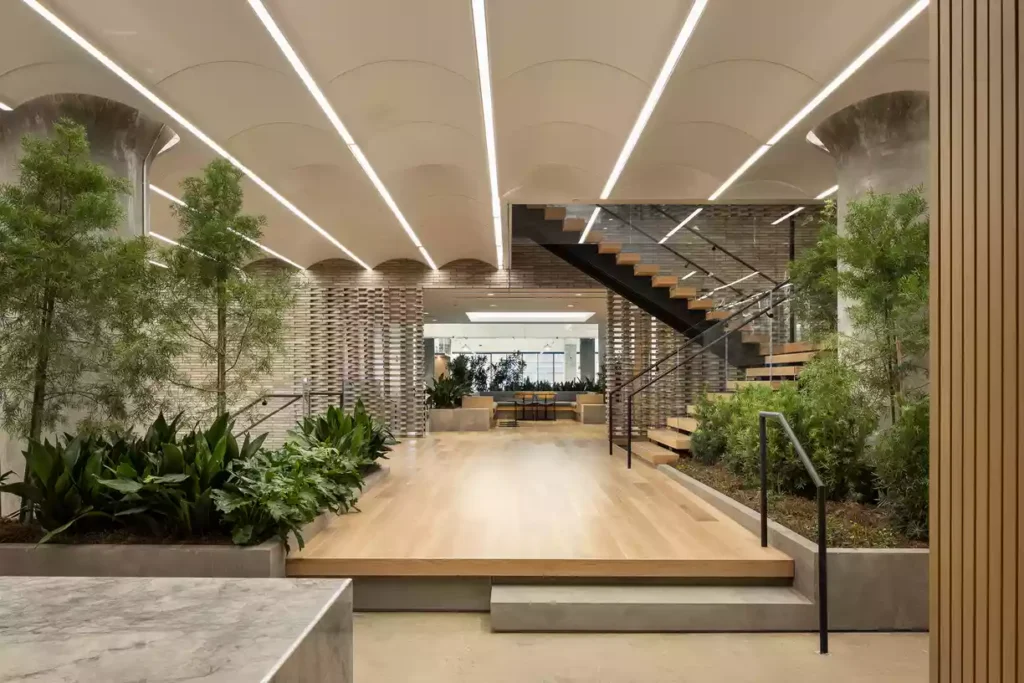
In plant factories, vertical farms, and agricultural control rooms, air management plays a critical role. Uneven airflow can create localized temperature and humidity pockets that negatively affect plant development.
By maintaining consistent air movement, indoor climate systems help stabilize conditions across the entire growing area. In many cases, low-power air circulation components are used to support long-term environmental balance rather than rapid temperature reduction.
Sustainable Agriculture Depends on Stable Environmental Systems
Sustainability in agriculture is not only about renewable inputs but also about efficient environmental control. Systems that maintain steady temperature and humidity consume less energy over time and reduce operational fluctuations.
Optimized air circulation supports this goal by minimizing over-correction from heating, cooling, or dehumidification equipment. These background systems often operate continuously, forming the backbone of reliable climate control.
Temperature Control Across Different Industries: A Shared Principle
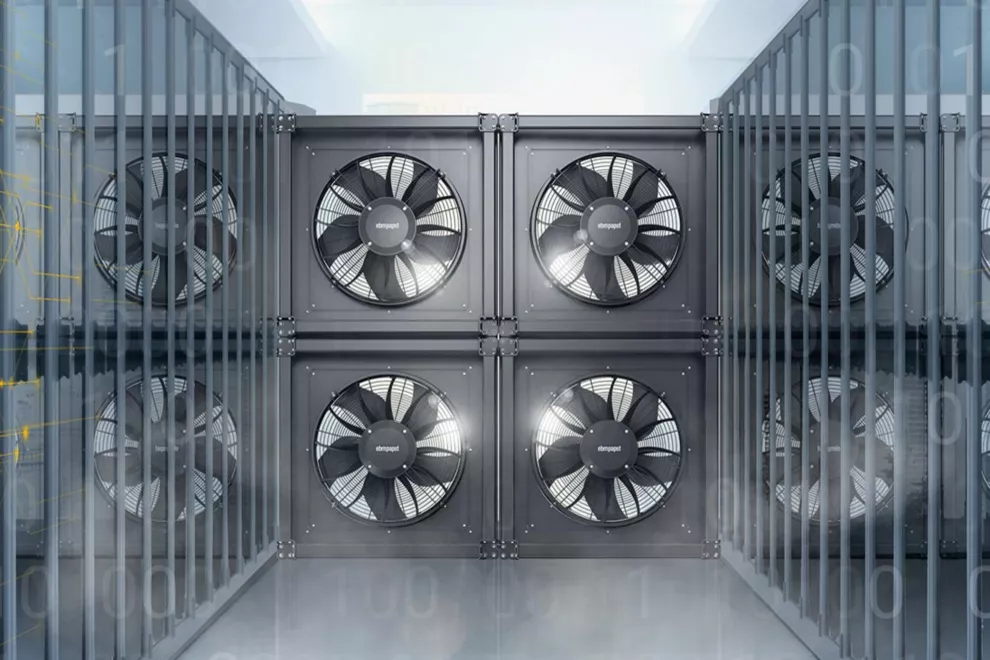
Interestingly, the principles behind greenhouse climate systems closely resemble those used in data centers and industrial control rooms. All rely on:
Predictable temperature ranges
Balanced humidity levels
Continuous, stable airflow
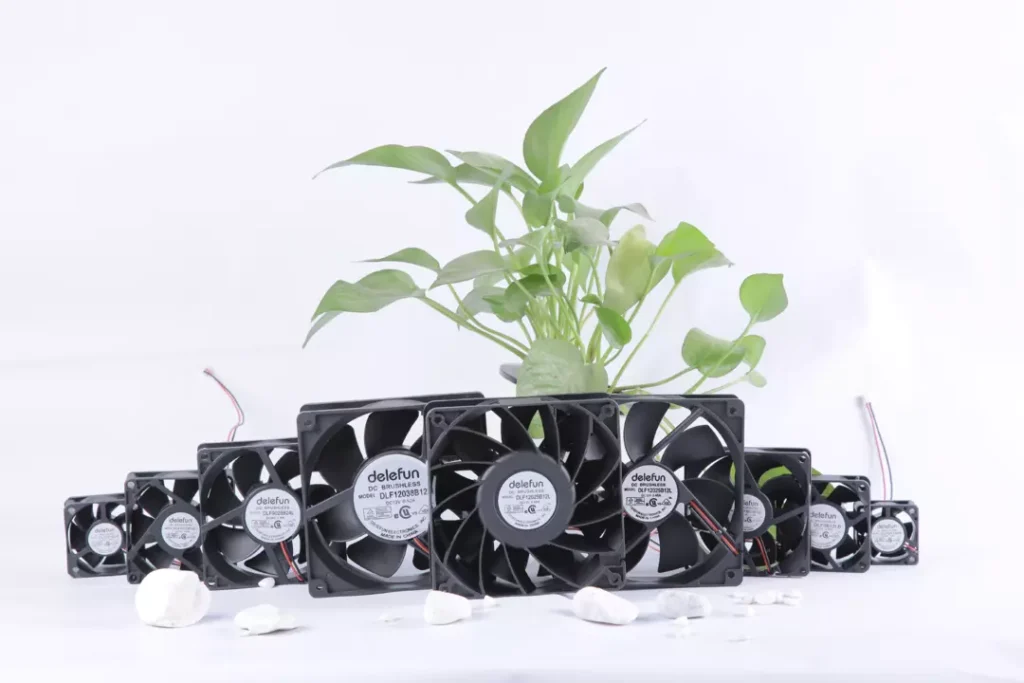
In such environments, dc fans are commonly used as supporting components to maintain airflow stability due to their efficiency, controllability, and suitability for long-term operation. Their role is subtle but essential in ensuring environmental consistency.
Energy Efficiency and Long-Term Environmental Impact
Energy-efficient temperature management reduces carbon emissions and supports sustainability goals. Rather than relying on extreme heating or cooling, modern systems prioritize steady environmental control, allowing plants to thrive under predictable conditions.
This shift toward efficiency highlights the importance of reliable air movement and temperature stabilization as part of environmentally responsible design.
The Future of Climate-Controlled Agriculture
As technology advances, climate-controlled agriculture will continue to evolve toward:
More precise temperature zoning
Smarter humidity regulation
Lower-energy continuous operation
Integration with sustainable infrastructure
In this context, temperature control is no longer a secondary concern—it is a defining factor in how food systems adapt to environmental change.
Conclusion
Temperature and humidity are invisible forces shaping the success of modern agriculture and environmental systems. From greenhouses to indoor farms, maintaining stable conditions supports plant health, reduces energy use, and contributes to sustainability.
Behind these systems are carefully designed environmental controls and dependable airflow management solutions, quietly ensuring balance and efficiency in the spaces where plants grow.